

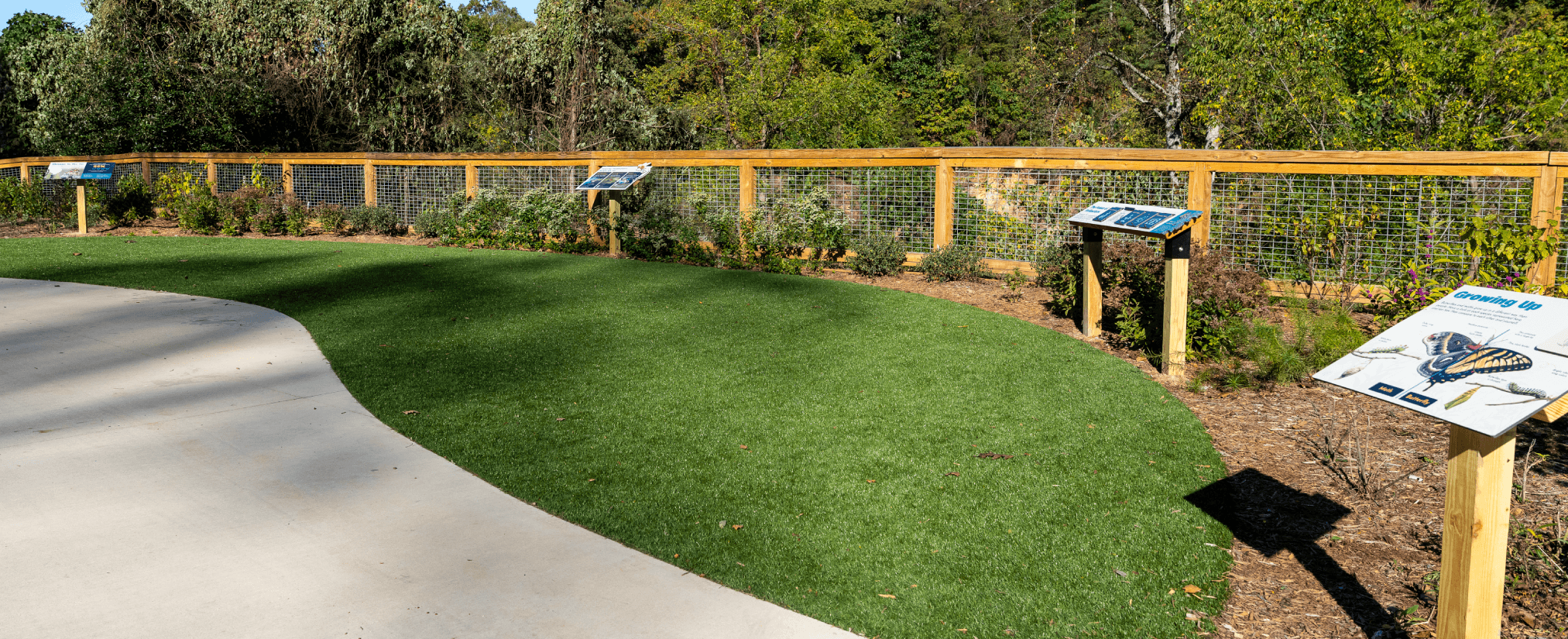
Gateway to the Southern Appalachia is a new exhibition experience at the WNC Nature Center, built to connect visitors with the plants, animals, and farming traditions that define the region. From barnyard signage to interactive discovery stations, the project asked for a wide range of exhibit graphics and hands-on pieces to work together as one cohesive experience — and Lupine was brought on to design and build them.
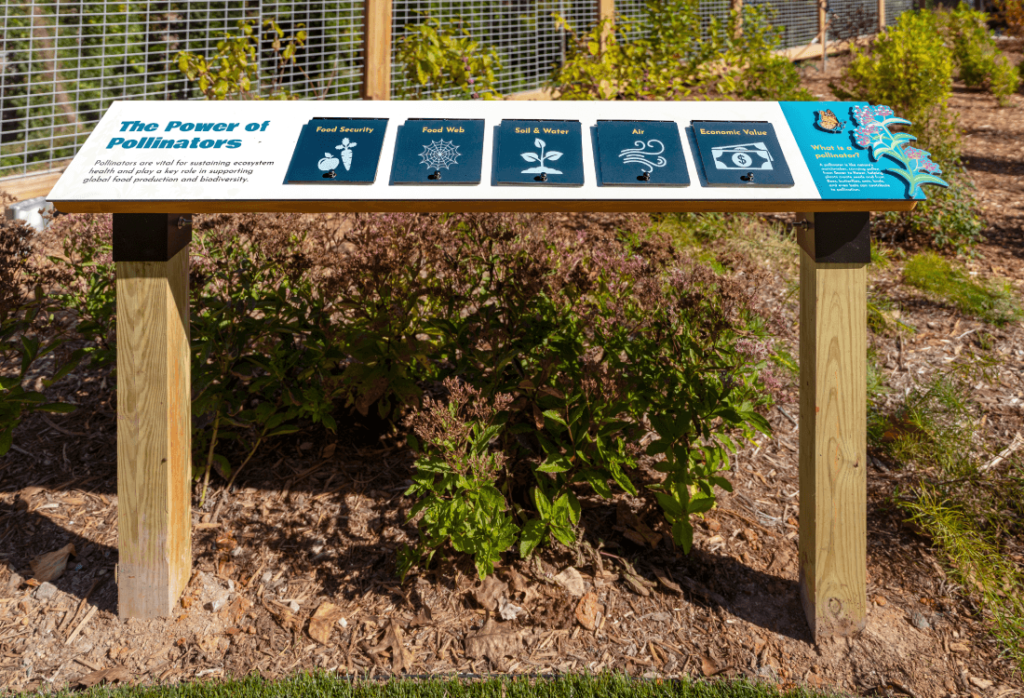
Gateway to Southern Appalachia is a new exhibition experience at the WNC Nature Center, built to connect visitors with the plants, animals, and farming traditions that define the region. From barnyard signage to interactive discovery stations, the project asked for a wide range of exhibit graphics and hands-on pieces to work together as one cohesive experience — and Lupine was brought on to design and build them.
Interactives Built for Curious Hands
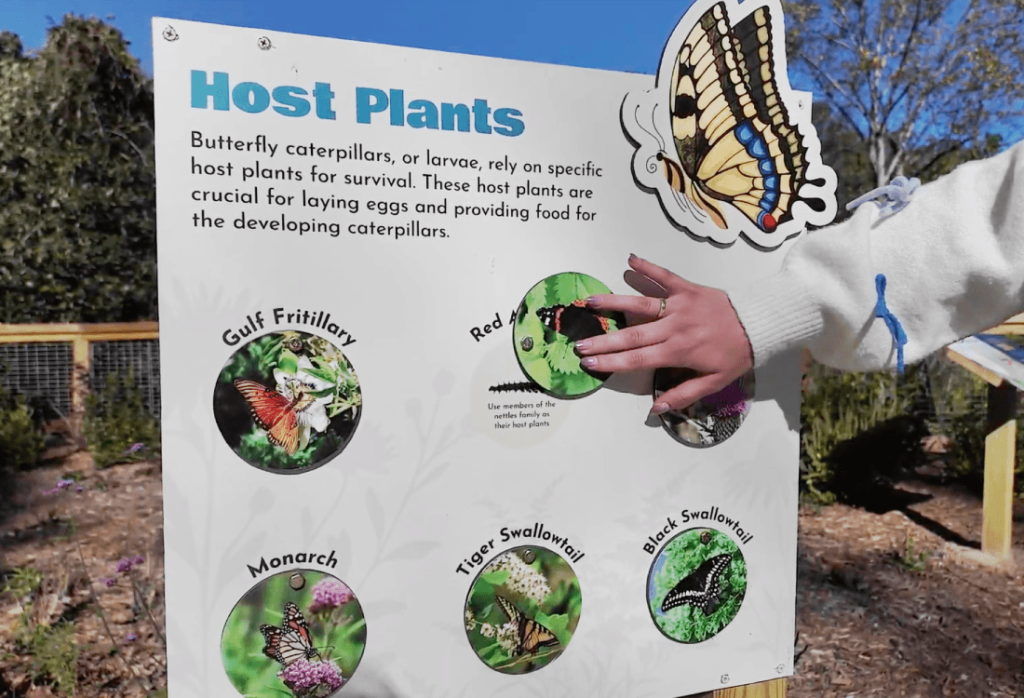
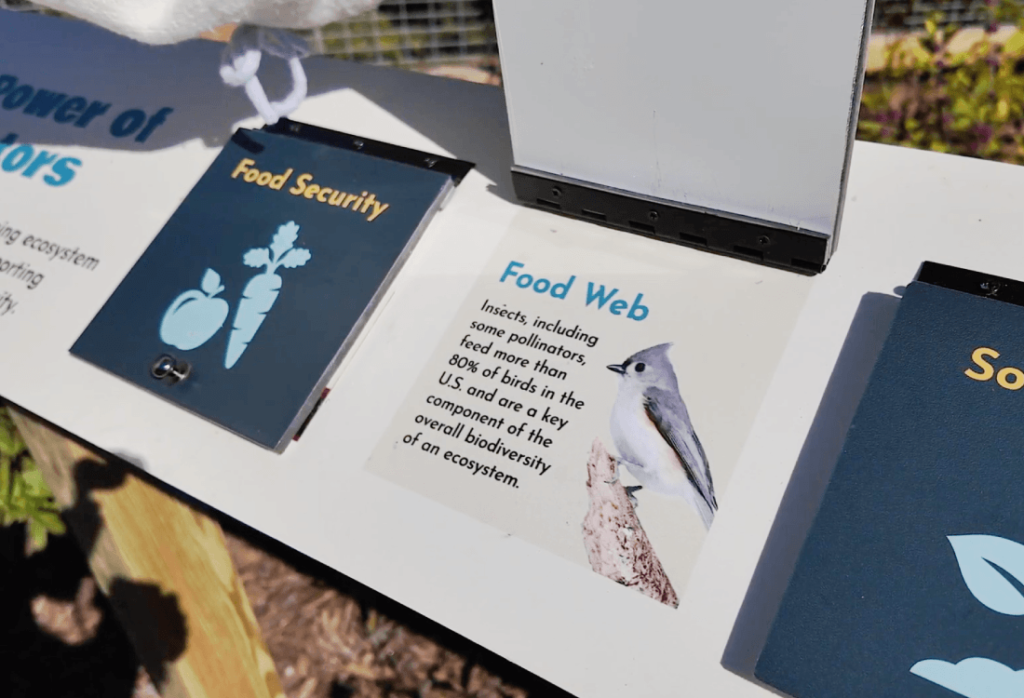
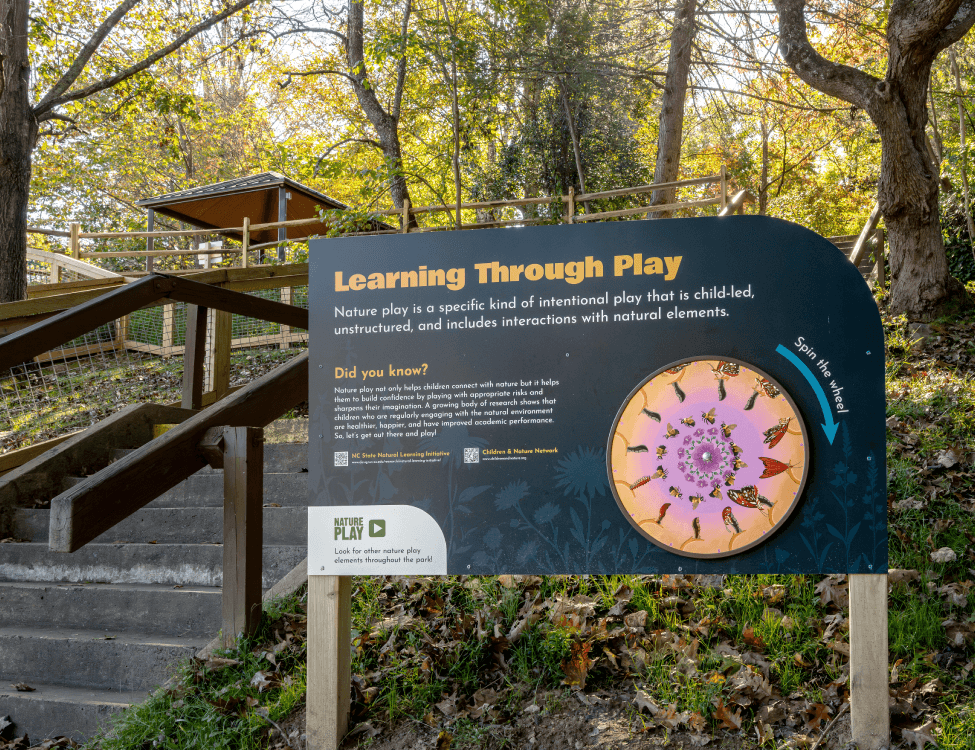
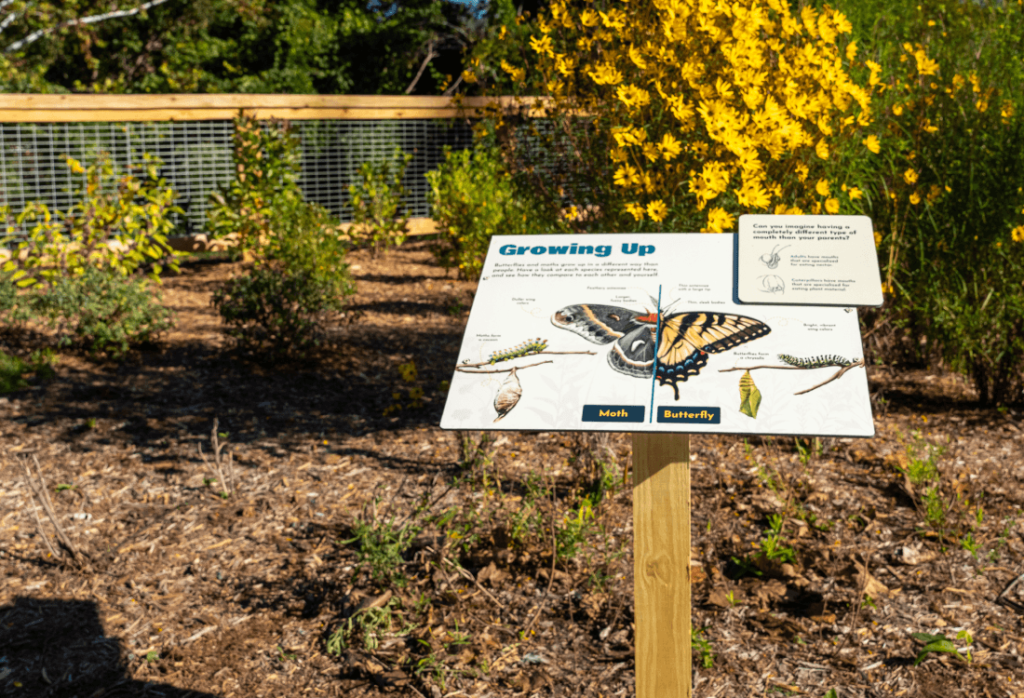
At the center of the exhibit are five original interactives, each designed to turn a single idea into something visitors can touch and explore. A door flip activity reveals the key roles pollinators play in the ecosystem. A spin-the-wheel animation, inspired by the 19th-century phenakistoscope, brings early animation techniques into a modern nature exhibit. A historical farming artifact showcase highlights five tools once used across Southern Appalachian farms, while a mineral identification display box lets visitors examine 12 minerals found in the local area. Rounding out the set, a butterfly species door reveal shows each butterfly on the front and its caterpillar form inside, paired with the host plants each species depends on.
Each interactive was built to reward a second look — the kind of piece a visitor pauses at, opens, spins, or flips before moving on.
Signage That Tells the Full Story
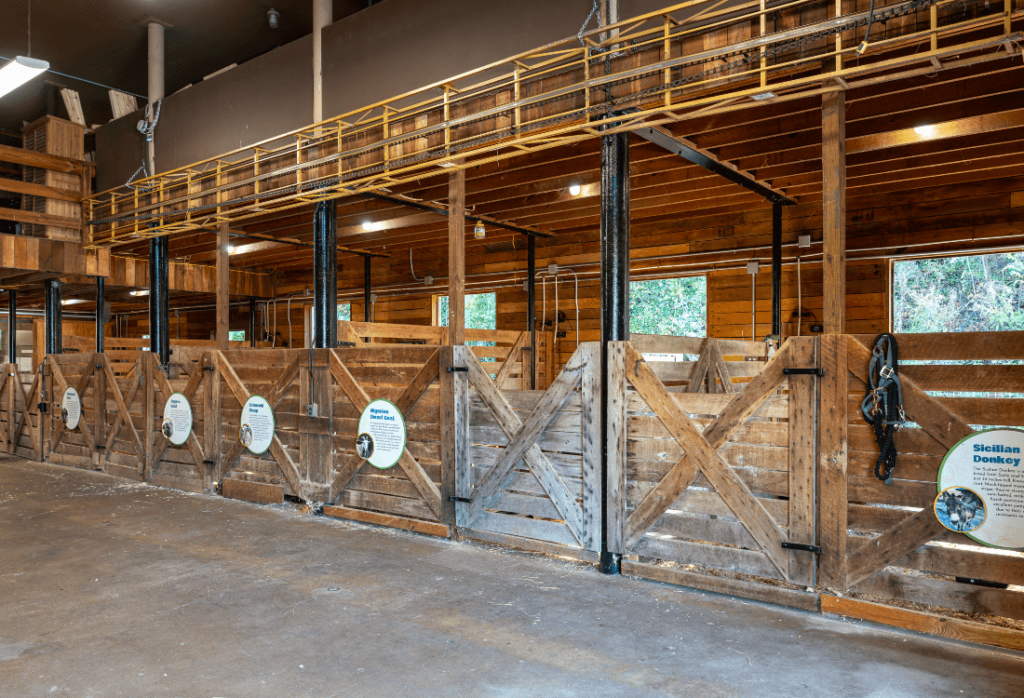
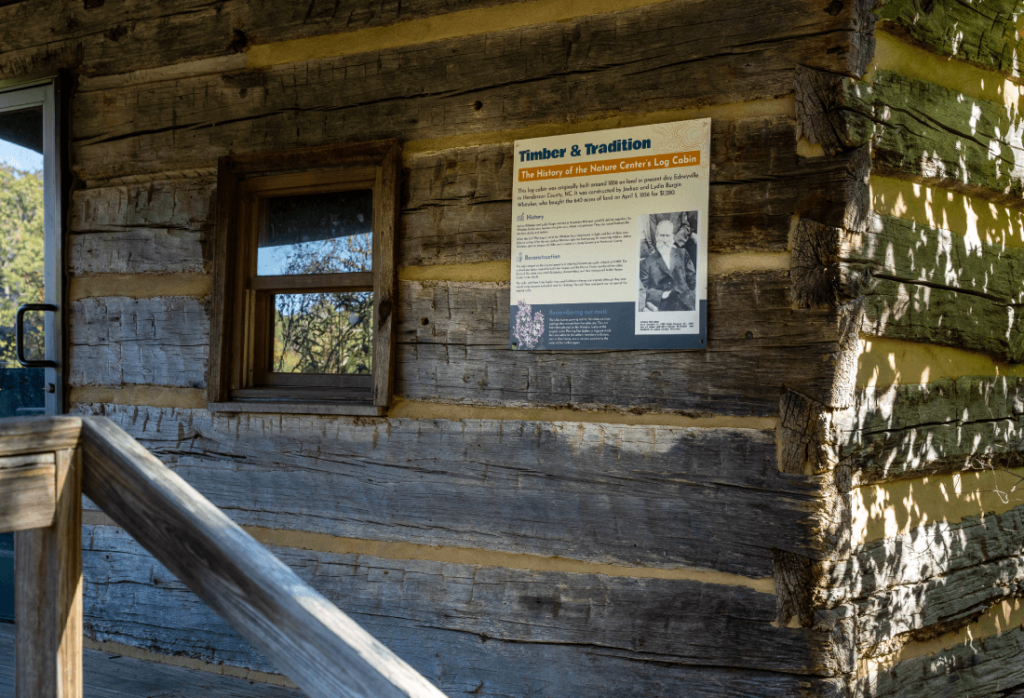
Beyond the interactives, the project called for a full signage system across the Nature Center’s grounds. Fifteen signs cover the indoor and outdoor barn animal areas, introducing the animals and their role in the farm ecosystem. Fourteen additional large-format signs mark the pollinator gardens and key outdoor attractions, including an actual tractor, a historic cabin, and the new garden and activity areas, giving every stop on the grounds its own piece of the story.
Together, the interactives and signage were designed as one connected system, so a visitor moving from the barnyard to the gardens experiences a consistent visual language throughout.
Built Through Collaboration
This project came together through a team of animators, illustrators, and designers working in close coordination to bring five very different interactives and dozens of signs to a shared visual standard. Midway through the project, Hurricane Helene hit the region, delaying the timeline. The team adapted, working through the disruption to keep the project moving toward completion.
Bringing Southern Appalachia to Life
Gateway to Southern Appalachia gives visitors a hands-on way to connect with the region’s wildlife, farming history, and geology, all in one exhibit experience. From a flip door revealing pollinator roles to a wall of local minerals waiting to be identified, every piece was designed to invite a closer look, turning a walk through the Nature Center into an active discovery of the Southern Appalachians.

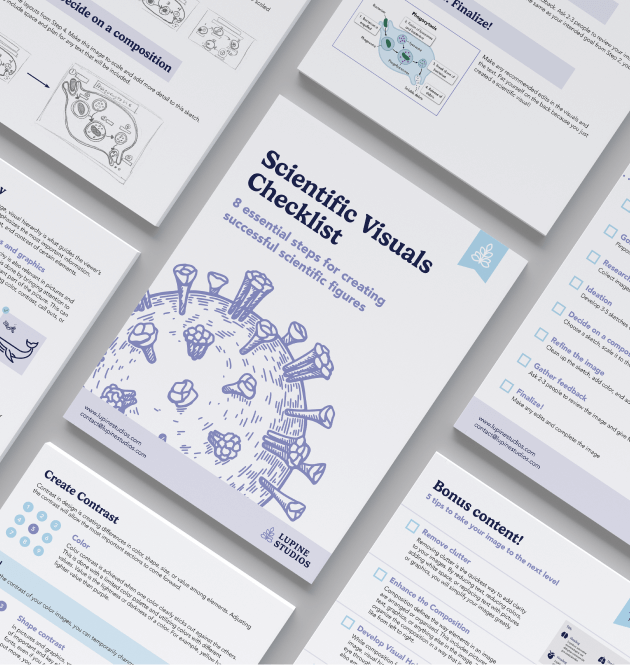
Level up your visuals with this easy-to-follow guide
Learn More about the Checklist