Scientific visualization that brings complex ideas to life


Trusted by leading institutions





What is Scientific Visualization?
Scientific visualization is the practice of translating research, data, and biological or physical processes into imagery built to inform and educate.
It sits at the intersection of science and design: part researcher, part illustrator, always precise. Every shape, label, and color choice is there to carry information, whether that’s the folding of a protein, the anatomy of an organ, or the stages of a lab process.
Done well, it lets a reader understand your subject at a glance, without a background in the field. That’s what makes it essential for researchers publishing findings, educators teaching difficult concepts, and companies explaining what their science actually does.
Where Scientific Visualization Can Help
- Simplify complex scientific concepts
- Improve research communication
- Enhance journal publications
- Support investor presentations
- Strengthen educational materials
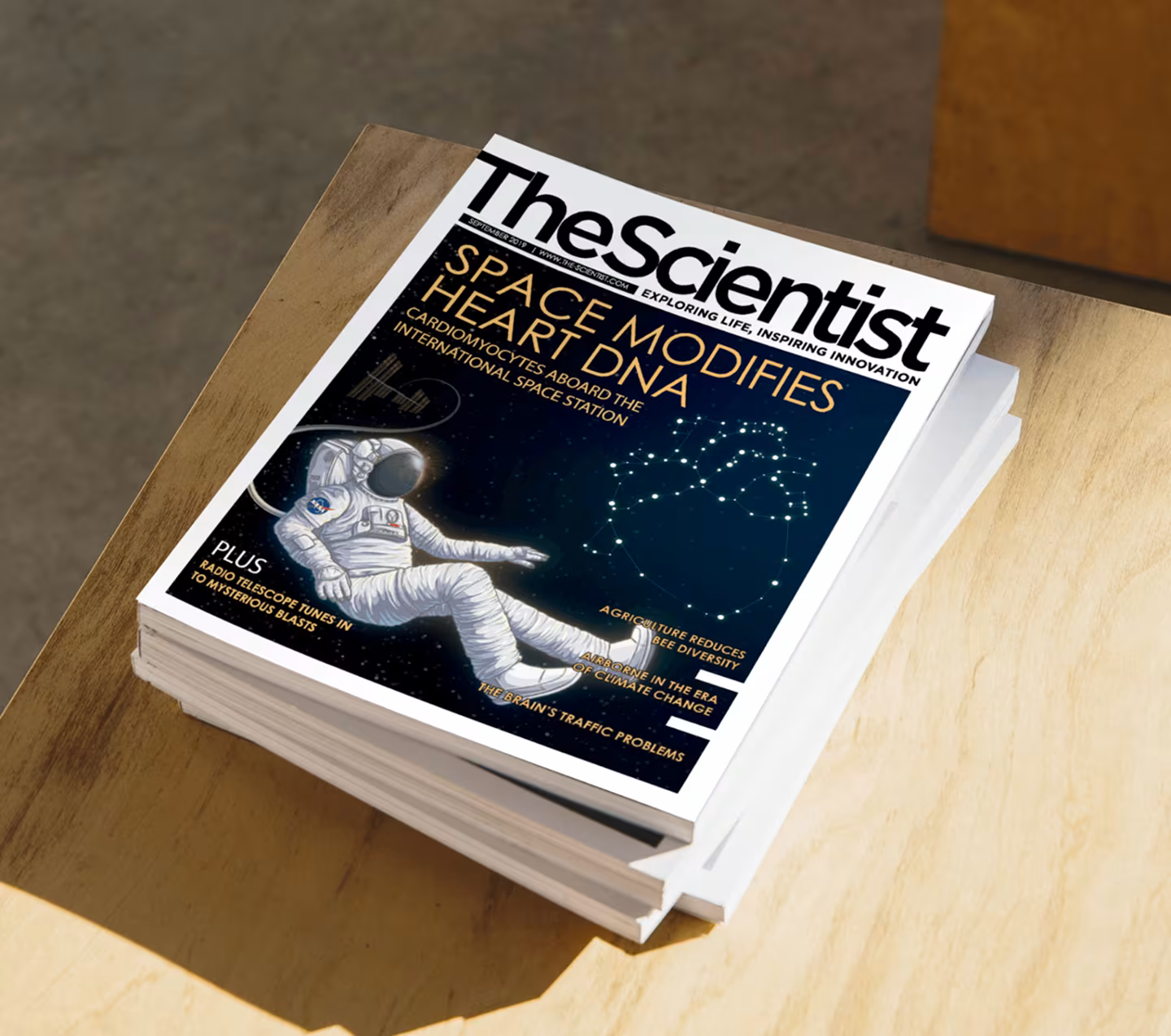
Our scientific visualization services

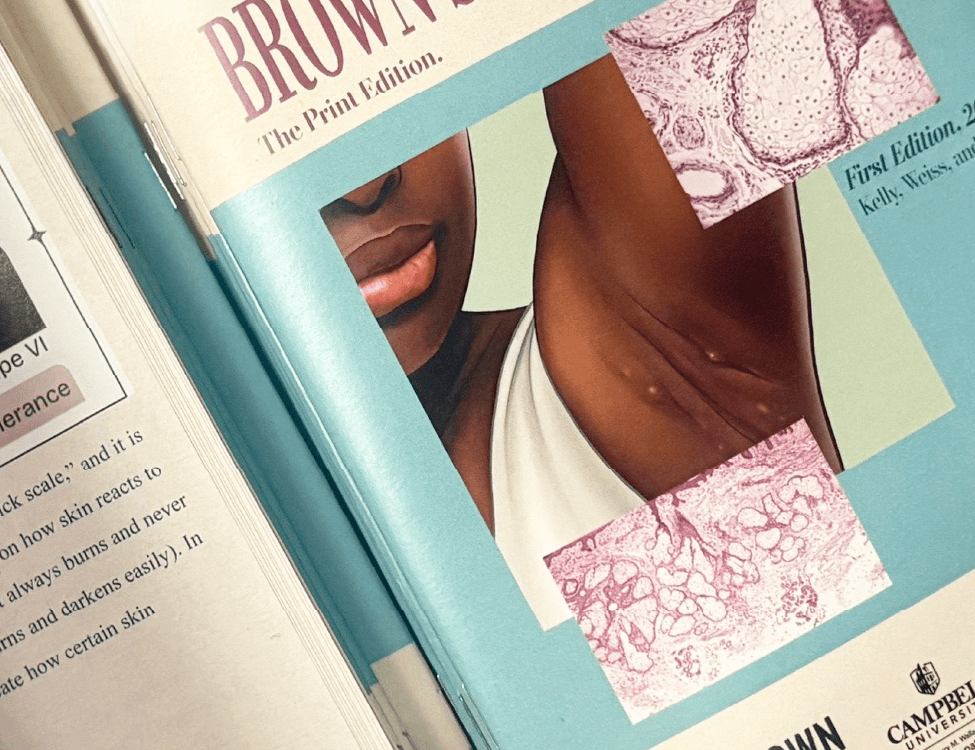
Medical Illustration
Anatomically precise artwork for clinical education, surgical planning, patient communication, and medical device marketing

Scientific Illustration
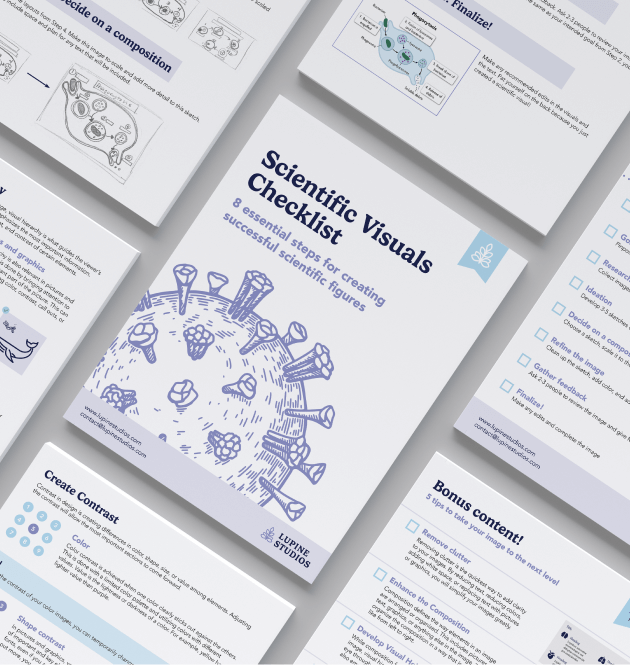
Custom figures for peer-reviewed journals, academic textbooks, conference posters, and grant applications.

Molecular Visualization
Detailed 3D molecular models, protein structures, and drug-receptor binding visualizations rendered with atomic precision.

Pharmaceutical Graphics
Mechanism of action diagrams, drug delivery pathways, and regulatory submission visuals built to FDA and EMA standards.

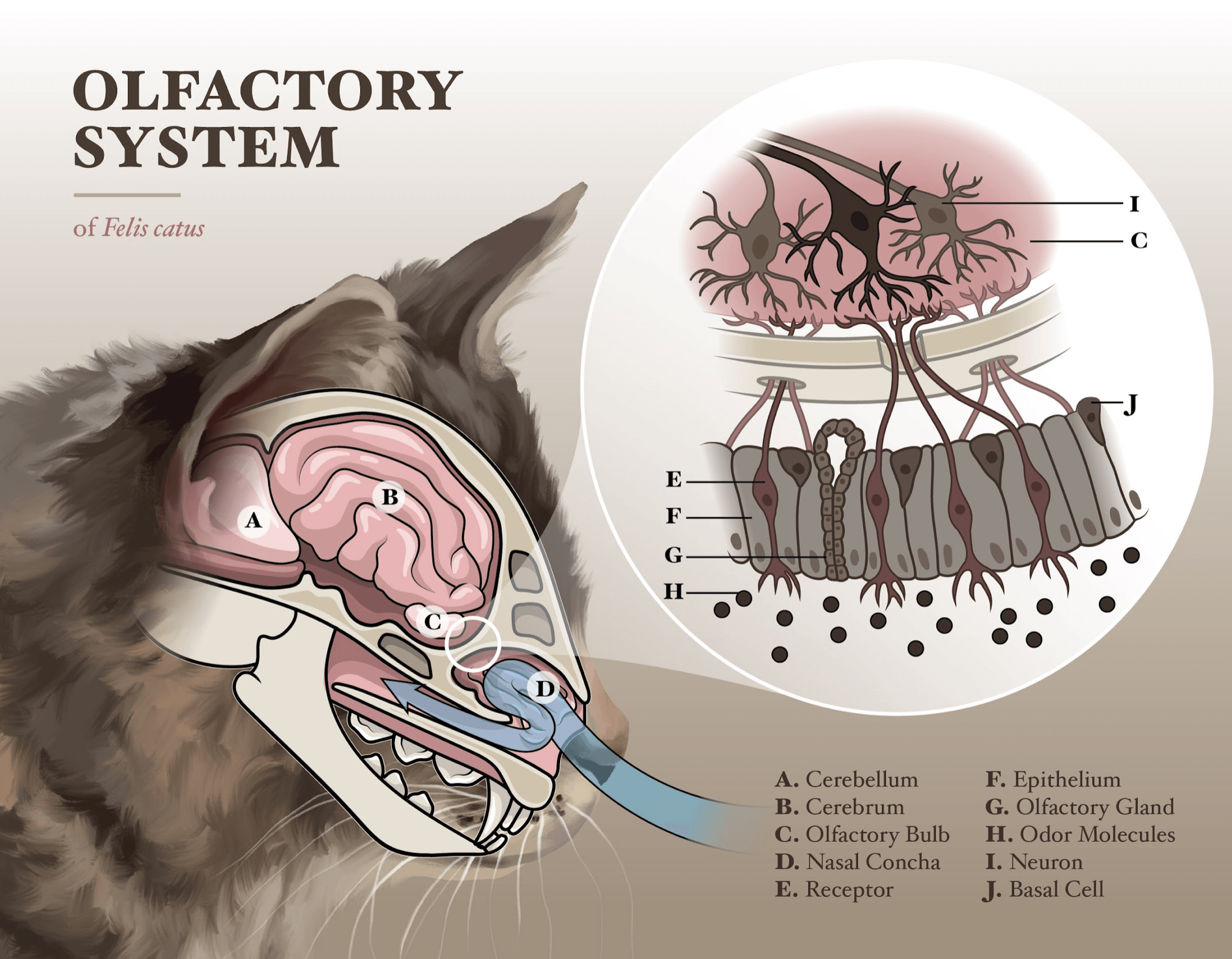
Biological Visualization
Cellular processes, microbiological ecosystems, and anatomical systems illustrated with scientific rigor and visual elegance.

Educational Graphics
Curriculum-aligned visual content for universities, medical schools, e-learning platforms, and continuing education programs.

Research Communication
Graphical abstracts, visual summaries, and data-driven illustrations that amplify your research impact and citations.
Need a custom visualization solution?
Speak directly with our science directors to discuss your specific data or medical research needs.

Why Choose Lupine Studios?
Where scientific expertise meets exceptional design
Scientific communication requires more than beautiful visuals—it demands precision, credibility, and a deep understanding of complex subject matter.
Our multidisciplinary team combines scientific knowledge with professional illustration and visualization expertise to create visuals that are both technically accurate and visually compelling.
Why Clients Choose Us
- Scientifically accurate illustrations
- Collaborative project workflow
- Publication-ready deliverables
- Tailored visual solutions
- Confidential project handling
Industries We Serve

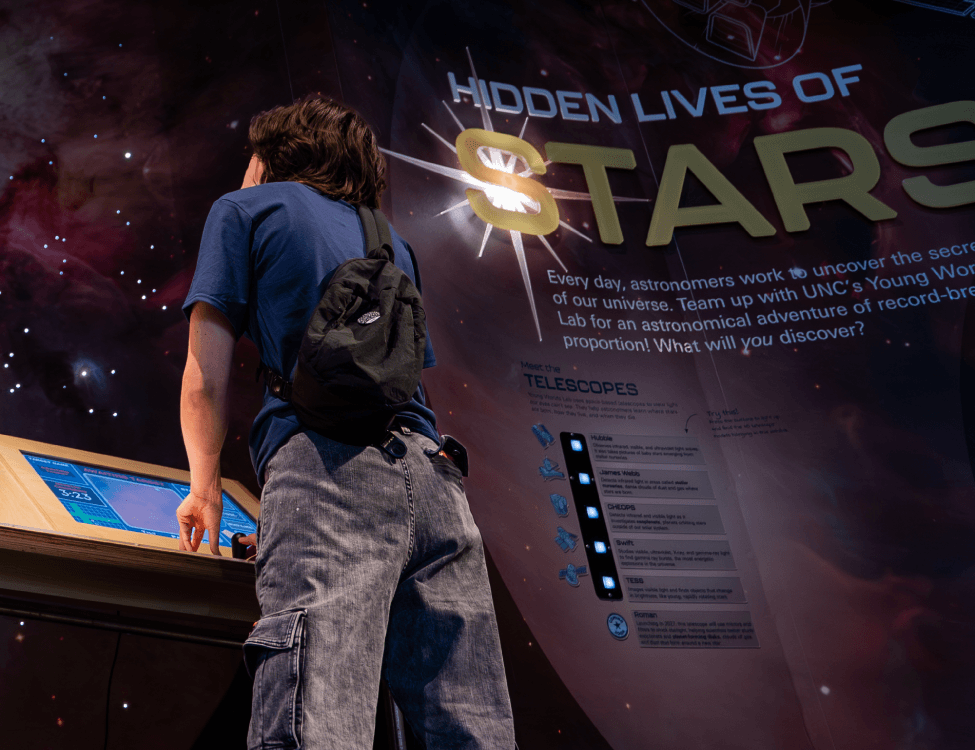
Museums
Children's museums, nature centers, and science centers

Zoos & Aquariums
Wildlife exhibits, conservation programs & visitor experiences

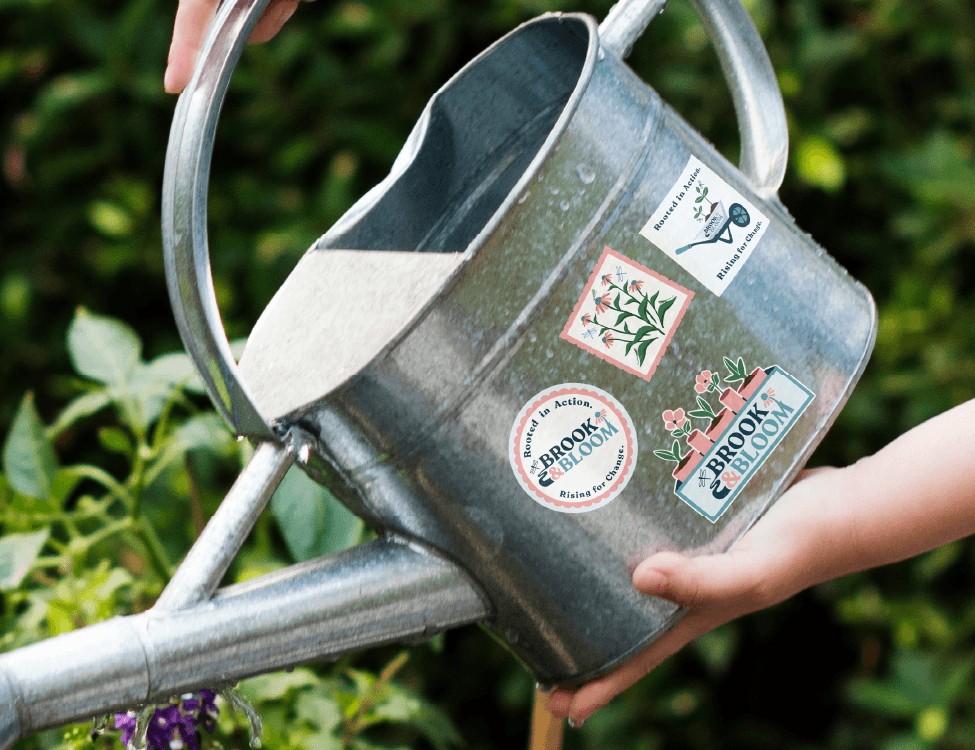
Non-profits
Mission-driven visuals & community education systems

Universities
Core academic figures, textbooks & class curriculums

Research Labs
Grant illustrations & visual summaries

Publishers
Publication covers, diagrams & scientific books

Healthcare
Clinical workflows, protocols & surgical guides

Startups
Pitch deck visuals & early-stage product schemas
Our process
Initial Consultation
Project Proposal
Concept Sketching
Detailed Illustration
Review & Refinement
Final Delivery
Featured scientific visualization projects


What Our Clients Say

They've designed two exhibits for our regional wildlife park. Both reflect the skill, passion, professionalism, and communication we were looking for. We're currently working on our third project together.
They have done an excellent job improving our marketing and branding materials, and have created very helpful style guides that make it easy for us to create branded social media posts. Their work is very high quality, they are very professional, and always do a great job incorporating our feedback.
We used Lupine Studios to create 80 custom illustrations for a State Park interpretive exhibit. Having scientifically accurate illustrations was critically important for this project and Evyn was 100% committed to making it happen! Not only was her artwork outstanding, but she also managed the project perfectly by meeting all deadlines, communicating clearly and often, and providing easy to use documents.
Frequently asked questions
We create accurate, engaging visuals across the natural and physical sciences. That includes species illustrations for field guides and identification materials, anatomical and cross-section diagrams, habitat and ecosystem scenes, life cycle and process graphics, maps and watershed illustrations, and infographics that make complex data easy to understand. Our work spans biology, ecology, earth science, astronomy, and health science, in styles ranging from detailed, traditional natural history illustration to clean, modern graphics for digital and exhibit use.
Yes, and we consider it essential. Accuracy is the foundation of good scientific illustration, so we build expert review into every project. We work alongside your scientists, curators, educators, and researchers from the start, gathering reference materials and confirming key details before illustration begins. Experts review work at defined checkpoints, from early sketches through final art, so corrections happen early and the finished piece holds up to scientific scrutiny.
You'll receive high-resolution final files prepared for how you plan to use them: print-ready files for signage, publications, and exhibits, along with web-optimized versions for digital use. Depending on the project, deliverables may include layered source files, vector artwork, and alternate crops or color versions. Every project includes a usage license outlining where and how the artwork can be used. If you need broader rights, such as exclusive or unlimited use, we can discuss that during scoping.
Timelines depend on complexity, level of detail, and the number of review rounds. As a general guide, a single spot illustration or simple diagram typically takes 1–2 weeks, while a detailed species plate or habitat scene may take 3–6 weeks. Larger series, such as a full field guide or exhibit package, are scheduled in phases over several months. Expert review time is a key factor, so we'll build a schedule with you at the outset that accounts for your team's availability and any fixed deadlines.