

Step into a sunlit nature center tucked at the edge of a town park, or a one-room botanical garden visitor station buzzing with local kids on a field trip, and you’ll find it: that sense of place, purpose, and possibility. Small organizations like nature centers, local zoos, community-run museums, and city-funded hiking areas may run on shoestring budgets, but they serve something much larger: the heartbeat of their communities.
At Lupine Studios, we believe small orgs deserve great design. Not just clean signage or attractive visuals, but immersive, thoughtful, and meaningful design that elevates the everyday. When design is done right, even a single wall panel or a tiny diorama can be transformative. Here’s why these organizations matter so much and how we can help them do even more with less.
Small Budgets, Big Impacts
Small organizations reach thousands of visitors a year, often with fewer resources than a typical fast-food franchise. Their teams are deeply committed, often wearing multiple hats from educator to fundraiser to animal caretaker, all in a day’s work.
Despite this, the experiences they offer can be life-changing: a child’s first owl sighting, a senior’s connection to a heritage plant, a school group learning how ecosystems really work.
This is where great design can truly shine. Thoughtful, creative exhibits help these organizations punch above their weight. They tell complex stories in clear ways. They invite curiosity and spark wonder. They reinforce the value of the space and the value of returning to it.
Why Small Communities Deserve the Best
Design isn’t just about looks. It’s about care. When a nature center invests in compelling visuals or interactive exhibits, they’re sending a message to their community: You matter. Your experience matters.
That matters especially in rural or underserved communities, where cultural and scientific resources may be few and far between. A beautifully designed trailhead sign or a hands-on exhibit about local pollinators can make a child feel that their hometown nature center is just as important, just as worthy, as any big-city museum.
These organizations are not just stewards of land or animals; they’re stewards of local identity. They preserve what’s unique about a place, its ecosystems, stories, and spirit, and share it with the next generation.
Designing Great Exhibits on Minimal Budgets
Working with small organizations means getting creative. It means understanding that every dollar must work hard and that every square foot counts.
Here’s how we approach it:
- Modular Design: Reusable, flexible components can adapt with the seasons or change topics throughout the year, saving money in the long run.
- Local Materials: Sourcing from local craftspeople or using natural materials from the region not only cuts costs, it tells a richer story.
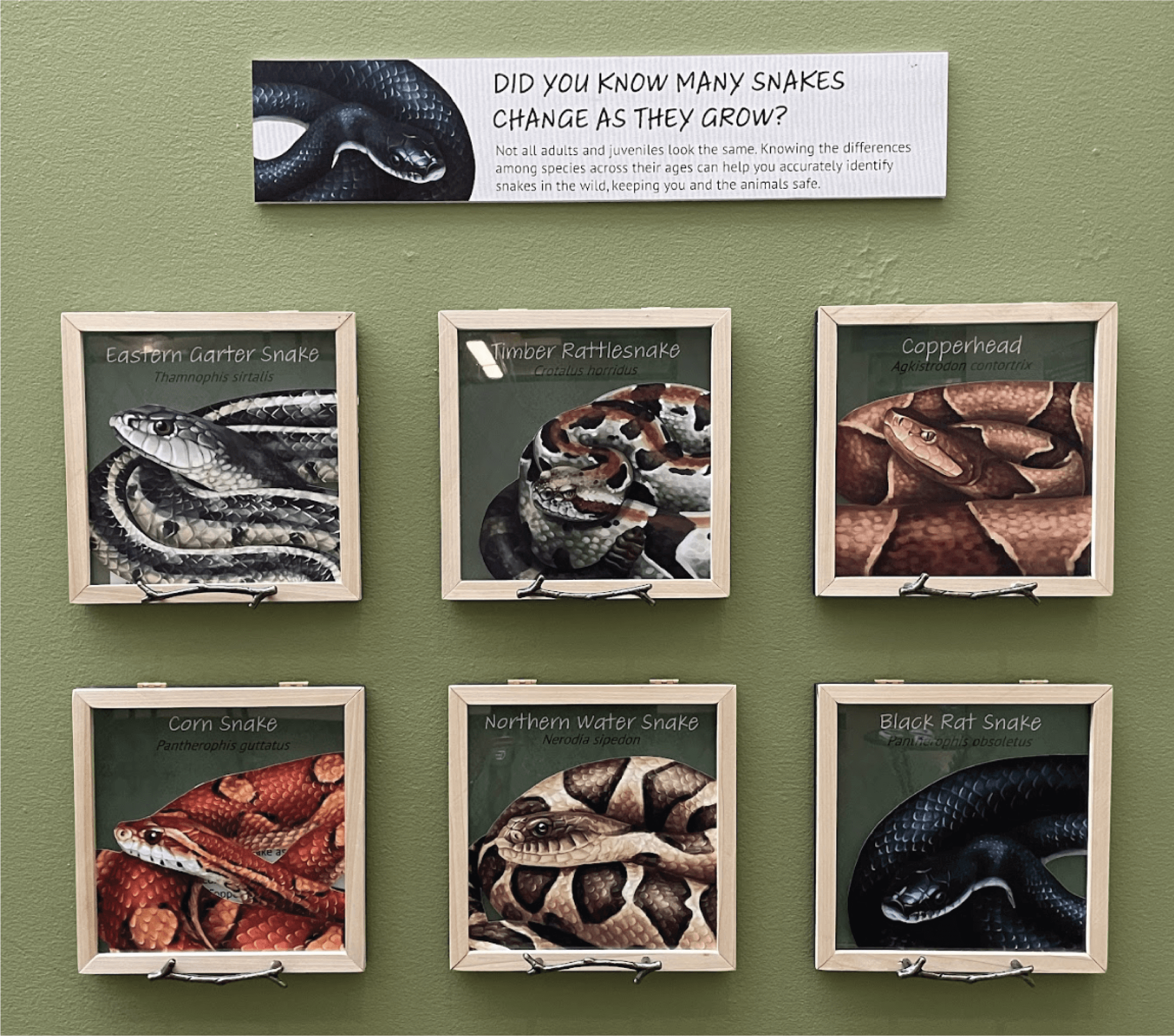
- Compact Storytelling: A well-placed interpretive sign or a single tactile element can often say more than an expensive multimedia display.
- Community Voices: We involve staff, volunteers, and visitors in the design process to make sure the final product reflects them, not us.
- Durability: Everything we build is meant to last. Small orgs don’t have the time or budget for frequent replacements, so quality matters.
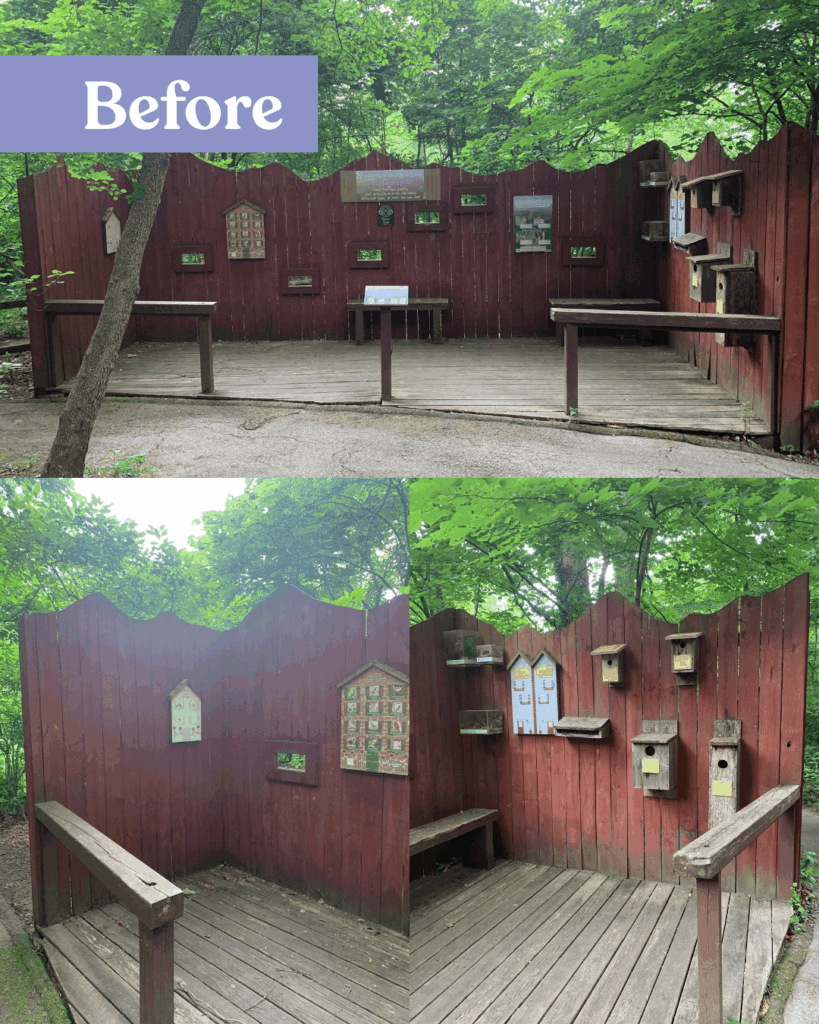
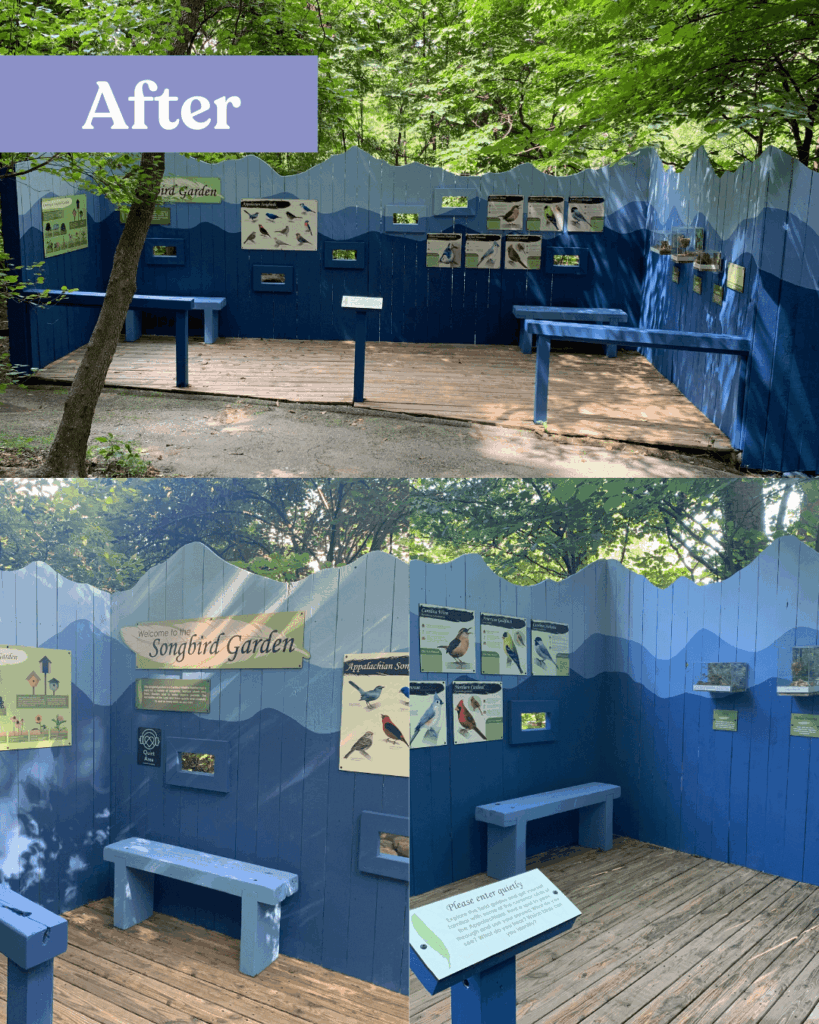
Sometimes, it’s as simple as rethinking a blank wall. A formerly unnoticed corner can become a discovery zone. A basic trail map can be transformed into a story of water, wildlife, and people.
Tailored Design for Unique Audiences
Unlike national museums with broad mandates, small organizations often serve very specific audiences, and that’s their superpower.
Designing for them means asking:
- Who visits here the most? Families, school groups, tourists, elders?
- What local knowledge or history is important to honor?
- What are the specific environmental or cultural issues this organization is addressing?
For a local hiking area, it might be about protecting a fragile ecosystem from foot traffic. For a tiny zoo, it might be about introducing kids to conservation through animal ambassadors. Each one is different, and deserves design that reflects that difference.

Keeping Cultural Roots Alive
Beyond education, small organizations often serve as keepers of cultural memory. They preserve the stories of Indigenous communities, immigrant histories, or regional agricultural practices. And those stories need to be seen, not just spoken. That’s where design plays a critical role.
From bilingual signs to traditional art motifs to oral histories presented visually, exhibit design can be a tool for cultural continuity. When visitors see their identities reflected in a space, they feel ownership of it. They come back. They bring friends. They protect it.
The Bottom Line: Small is Powerful
If you’ve ever watched a child press their face against a terrarium, or a teenager sketching wildflowers on a trail, or a parent asking thoughtful questions at an exhibit, you know the truth. Impact doesn’t depend on square footage or budget. It depends on connection.
At Lupine Studios, we consider it an honor to work with small organizations. You are the seed starters. The connectors. The bridge-builders between people and place. And you deserve all the creativity and care we can give.
So here’s to you, nature centers, community museums, city parks, and all the passionate teams who keep them running. We see you. We love you. And we’re here to help your spaces shine.

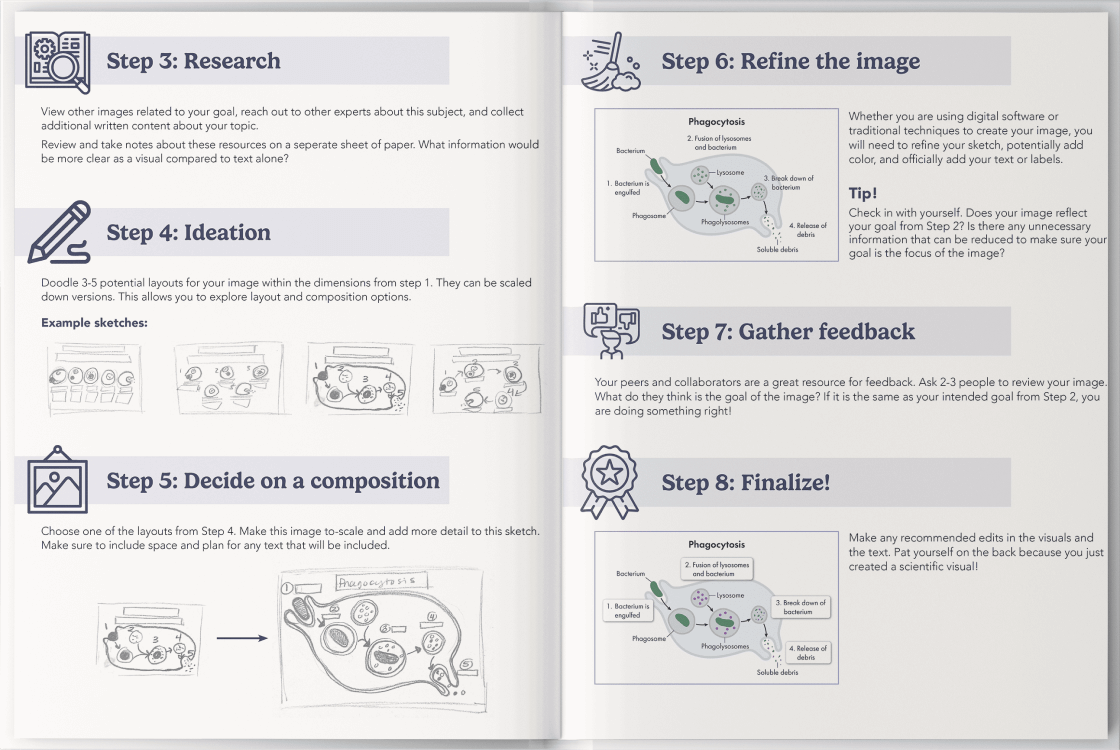
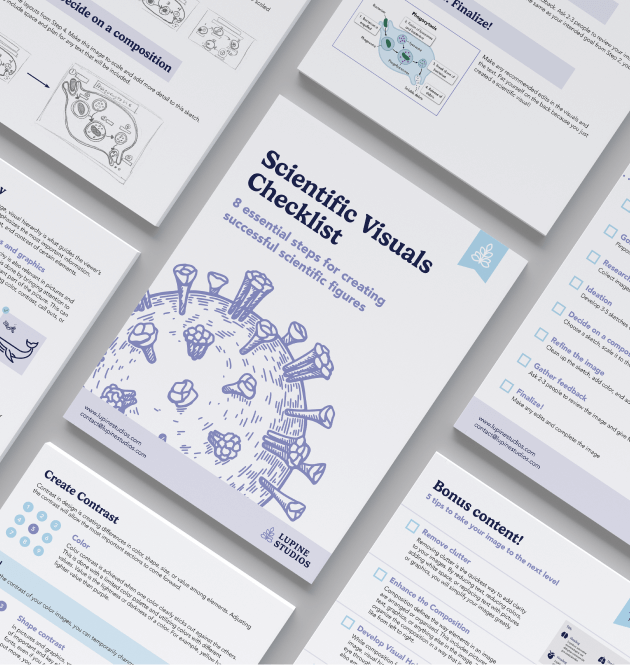
Level up your visuals with this easy-to-follow guide
Learn More about the Checklist