

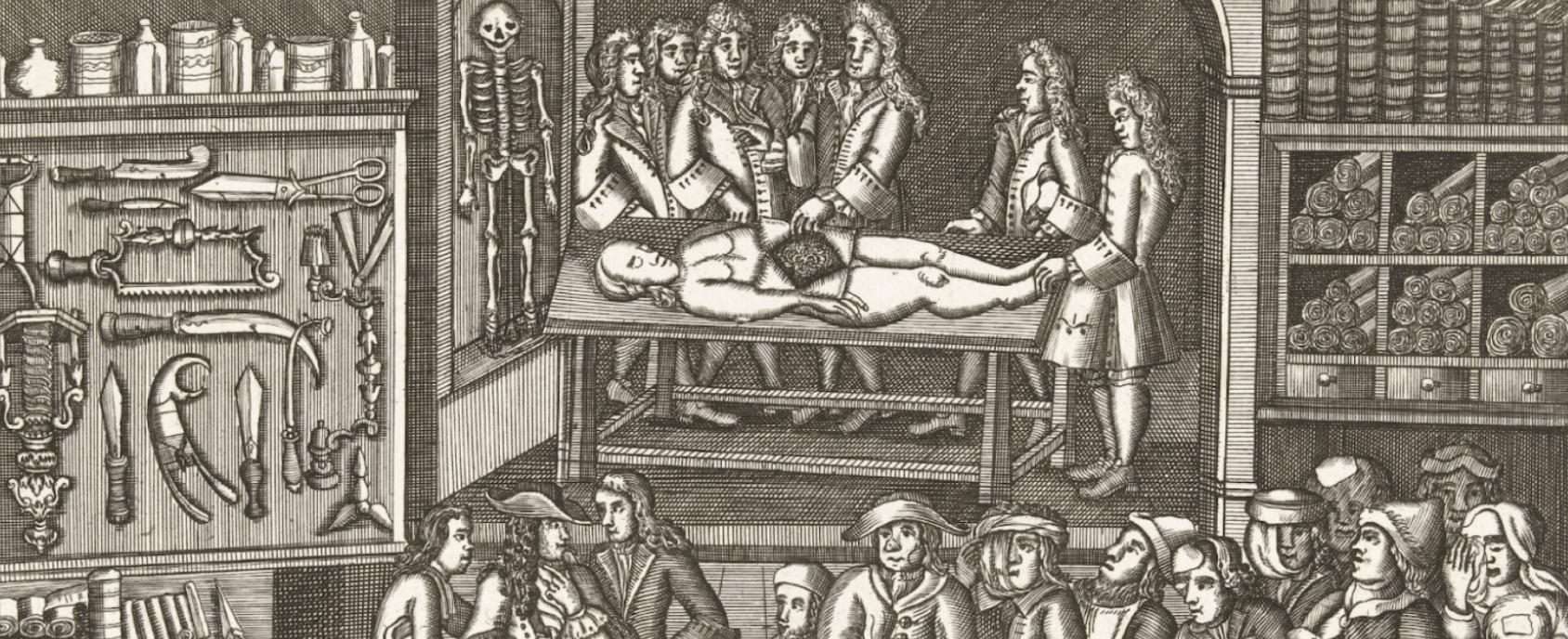
Halloween isn’t just about ghosts, goblins, and ghoulish delights—it’s also the perfect time to explore one of the eeriest chapters in scientific history: the study of human anatomy. Long before digital scans or 3D models, understanding the body meant studying it directly. And in the 17th and 18th centuries, that pursuit of knowledge came with a shadowy cost: grave robbing, public outrage, and even riots.
At Lupine Studios, we often celebrate the artistry of scientific illustration, where art meets medicine to reveal the inner workings of life. But behind today’s elegant anatomical drawings lies a chilling past filled with midnight dissections and ethical dilemmas that still echo through history.
The Birth of Anatomy
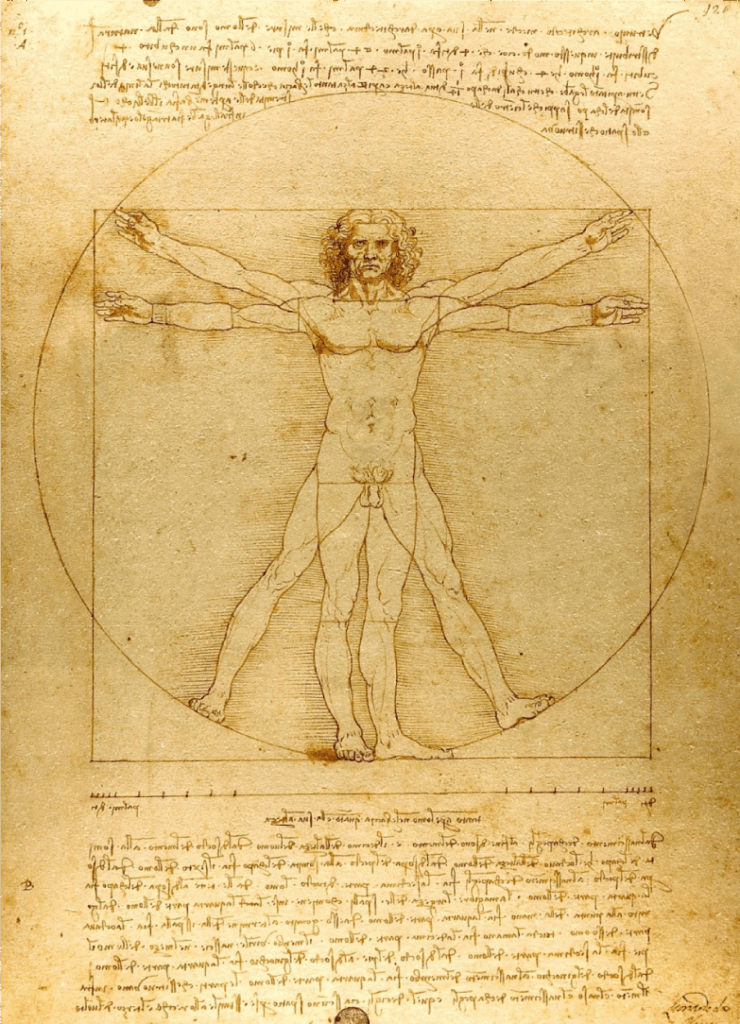
During the Renaissance, curiosity about the human body flourished. Artists like Leonardo da Vinci and Andreas Vesalius transformed anatomy from a mystical subject into a scientific one. Their detailed sketches of muscles, veins, organs were groundbreaking, bridging the gap between art and medicine.
However, dissection was controversial. Religious authorities often forbade tampering with human remains, and bodies were scarce. Medical schools could only legally dissect the corpses of executed criminals. That left eager students and professors desperate for specimens, and a macabre black market soon emerged.
Resurrectionists and Murderers
By the 18th century, a new profession crept out of the shadows. Resurrectionists were grave robbers who dug up freshly buried bodies to sell to anatomy schools. Working by lantern light in quiet cemeteries, they turned death into profit, supplying universities with subjects for dissection.
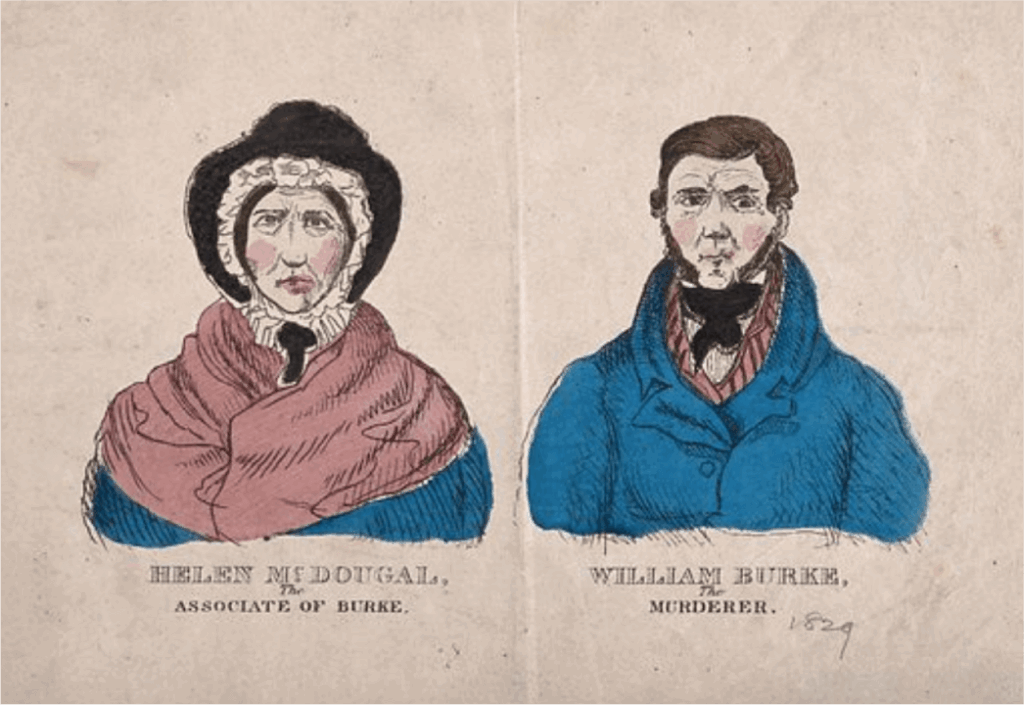
Grave robbing was so profitable in fact that in Edinburgh, two men named William Burke and William Hare, decided to skip the graveyard altogether. In 1828, they murdered sixteen people and sold the bodies to Dr. Robert Knox, a respected anatomy lecturer. The “Burke and Hare Murders,” as they came to be known, shocked the public and exposed just how deep the demand for cadavers had become.
Up the close and down the stair, In the house with Burke and Hare, Burke’s the butcher, Hare’s the thief, Knox, the boy who buys the beef.
– 19th Century children’s rhyme
While the practice of grave robbing horrified the public, medical institutions quietly relied on it. Anatomical study was booming, and accurate medical illustration required real observation.
The Anatomy Riot of 1788
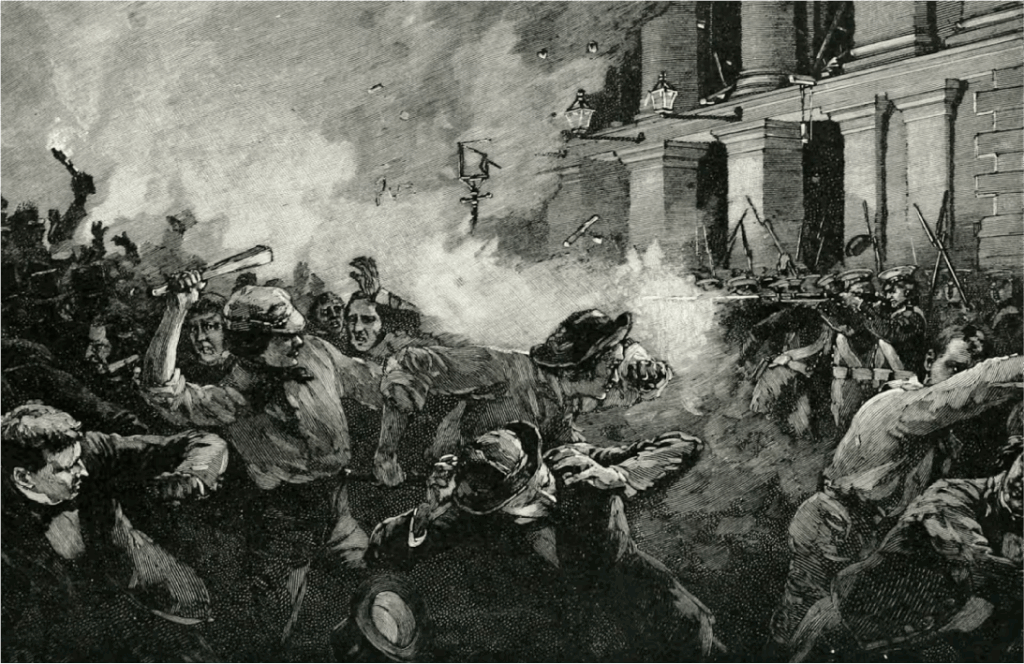
Eventually, the public’s fear and outrage boiled over. In April of 1788, New York City erupted in what became known as the Anatomy Riot.
It began when a group of children peered through the window of Columbia College’s anatomy lab and spotted a severed arm being waved at them by a medical student (supposedly as a prank). Word spread like wildfire that local graves, including those of recently buried loved ones, had been robbed for dissection.
Crowds gathered, furious and grieving. Armed with clubs and stones, they stormed the medical building, destroying equipment and specimens. The unrest grew into days of chaos as thousands took to the streets. The militia was called in to restore order, and several people were killed before peace returned.While the New York Anatomy Riot was certainly the most famous, seventeen anatomy riots erupted between 1765 and 1854 across the United States as anger over body snatching grew.
Reform and Respect
In the decades that followed, new laws, often called “Anatomy Acts” or “Bone Bills,” allowed medical schools to receive unclaimed bodies from prisons and hospitals legally. Most famous was the Anatomy Act of 1832 in the UK, which gave doctors and students the right to dissect bodies that were donated to further scientific discovery. Though far from perfect, these reforms helped legitimize bodies dissected for science and reduce the trade in stolen corpses.
Anatomical artists continued their work, but with a growing emphasis on ethics and consent. What began as an underground practice evolved into a respected field where art and science collaborated to advance medicine. Today, the legacy of those early dissections lives on in every anatomy textbook, museum model, and medical diagram.
Art in the Service of Science
While Lupine Studios doesn’t condone any grave robbing, scientific and medical illustration wouldn’t be what it is today without the advancements made by anatomical artists of the past. Modern medical illustrators continue that legacy, blending artistic sensitivity with scientific precision to help doctors, students, and the public see what lies beneath the surface.
This Halloween, as we revel in stories of ghosts and skeletons, it’s worth remembering that real bones and bodies once unlocked the secrets of life itself. The line between art, science, and the macabre has always been thinner than we think.
Sources Consulted
A&E Television Networks. (2025, October 20). How grave robbing ignited a deadly riot in New York City. History.com. https://www.history.com/articles/grave-robbing-anatomy-riot-1788-nyc
Body snatching. UK Parliament. (2014, May). https://www.parliament.uk/about/living-heritage/transformingsociety/private-lives/death-dying/dying-and-death/bodysnatching/
Kean, S. (2023, May 20). The Anatomy Riot of 1788. Science History Institute. https://www.sciencehistory.org/stories/magazine/the-anatomy-riot-of-1788/
Portraits of William Burke (1792-1829) and Helen McDougal (b. c. 1795), on trial in Edinburgh in 1828 for the west port murders. coloured etching, c. 1829. Wellcome Collection. (n.d.). https://wellcomecollection.org/works/abh7rnua
University of Edinburgh. (n.d.). William Burke: Anatomical museum. Biomedical Sciences. https://biomedical-sciences.ed.ac.uk/anatomy/anatomical-museum/collection/people/burke
Wikimedia Foundation. (2025, October 4). Burke and hare murders. Wikipedia. https://en.wikipedia.org/wiki/Burke_and_Hare_murders

Level up your visuals with this easy-to-follow guide
Learn More about the Checklist